
Chapter 2
Teaching a teenager on the autism spectrum how to safely navigate public infrastructure, respect traffic laws, and take responsibility for mistakes is absolutely essential for their long-term personal safety and independence.
Furthermore, letting a teenager flee the scene of a traffic accident carries massive legal dangers. In many jurisdictions, leaving the scene of a collision can result in severe legal citations or criminal charges, regardless of a passenger's underlying neurodivergence. By covering up her flight, the parents are setting her up for catastrophic failures once she enters adulthood and faces a legal system that does not hand out rewards for reckless behavior.
Strategic Boundaries: How to Stop Being the Family Peacekeeper
If you find yourself trapped in a family dynamic where you are constantly expected to play the peacekeeper or carry the blame for a coddled family member, relationship specialists recommend establishing firm, non-negotiable boundaries immediately.
1. Refuse Unofficial Caretaking Roles
Explicitly state that you will no longer supervise, transport, or travel alone with your sibling. If your parents choose to waive all rules and behavioral expectations for them, they must carry the full, unmitigated weight of their daily care and public safety. Stepping back entirely forces the enabling parents to directly confront the consequences of their choices.
2. Disengage from Biased Arguments
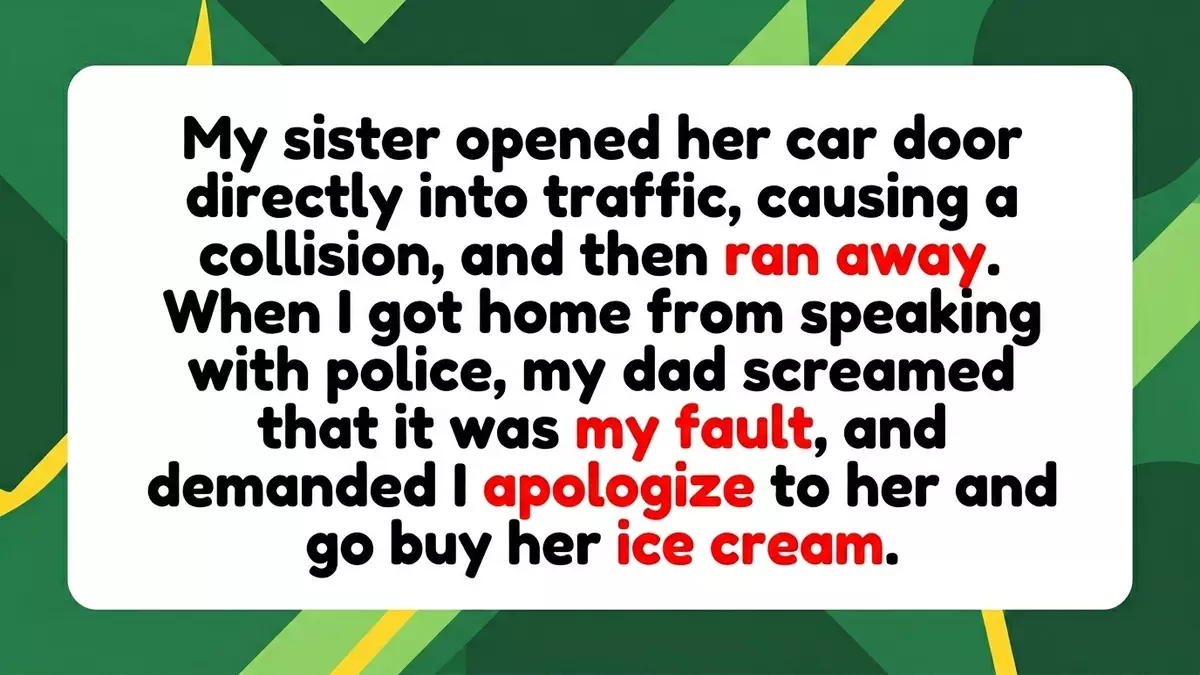
When a parent attempts to shift blame onto you for an incident you did not cause, do not engage in an emotional shouting match. State the facts clearly once: "I did not open the door, and I am not responsible for another teenager's physical actions." Once you have spoken, physically remove yourself from the room or the house to prevent them from using you as an emotional punching bag.
3. Seek External Support Systems
Being a glass child can feel incredibly isolating. Build a strong support network outside of your immediate family unit. Rely on trusted friends, school counselors, or mental health professionals who can validate your experiences and help you maintain your self-esteem amid domestic gaslighting.
Conclusion: Balancing Empathy with Structural Accountability
Navigating family relationships when neurodiversity is involved requires a delicate, intentional balance of deep empathy, structured rules, and equal accountability. While accommodation is necessary, completely erasing household boundaries creates an toxic environment that harms both children. As the eldest teenager prepares to enter independent adulthood, establishing rigid personal boundaries is their most viable path toward reclaiming their peace of mind and escaping a cycle of unfair family expectations.
Frequently Asked Questions (FAQ)
What exactly is "Glass Child Syndrome"?
Glass child syndrome describes the emotional experience of healthy, neurotypical siblings who grow up alongside a brother or sister with chronic illnesses, physical disabilities, or neurodivergent conditions like autism. These children often feel invisible because their emotional and psychological needs are secondary to the high demands of their sibling's condition.
Can an individual be held legally responsible if a passenger opens a car door into traffic?
Generally, the person who physically opens a vehicle door into an active roadway is primary liable for the resulting damages. However, traffic laws vary by region. If a passenger is a minor or under the direct legal guardianship of another individual present, liability can become complex, but fleeing the scene of an accident is universally looked down upon by law enforcement.
How can parents accommodate a neurodivergent child without enabling bad behavior?
True accommodation involves adjusting the environment or teaching methods to help a child succeed, not removing behavioral standards entirely. Parents can implement natural consequences tailored to the child's developmental level, ensure consistent rules for health and safety, and provide clear boundaries that teach the child how their actions affect others.
Why do parents scapegoat the more independent or successful child?
Parents often scapegoat their most independent child because that child possesses the resilience and emotional strength to handle stress. It is often easier for enabling parents to dump expectations and blame onto a highly capable teenager than it is to address the complex behavioral issues of a dependent child or confront their own parenting failures.
What should an older sibling do if parents demand they apologize for something they didn't do?
The best approach is a calm, firm refusal. You can say, "I understand everyone is stressed by this situation, but I will not apologize for an accident I did not cause." Avoid getting defensive or re-litigating the argument. Maintain your boundary and give the family space to cool down without yielding to emotional manipulation.